


September 25, 2017
Developing countries don’t have the same access to Internet facilities as we have in the West. The high cost of data on mobile plans and poor infrastructures mean that it is harder for people living in developing countries to access social media networks.
To remedy this, Facebook has launched its lite app in Kenya, Tunisia, Malaysia, Sri Lanka, and Venezuela before eending it to over 100 countries. LinkedIn and YouTube have followed suit, and now Twitter is testing its lite app in the Philippines. To put it simply, it’s like a smaller version of the mobile app that works on older exploitation systems, that loads faster and uses less data (meaning it can operate on 2G networks and will be less expensive to use).
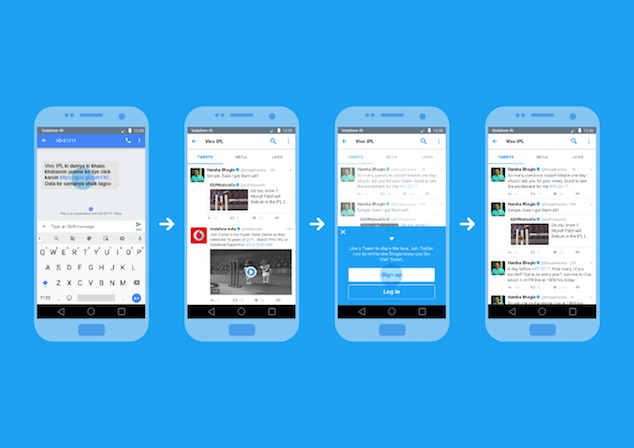
Alongside these general characteristics common to all social media lite apps, there are a couple of other tweaks. The most noticeable is that from the lite app, you can enable a media free mode that lets users download only the images or videos they want to see. As Twitter has been positioning itself as a media network, this is actually a crucial change.
Earlier this year, Twitter reported the highest number of active monthly users and new users It had seen in a while, but it has failed to maintain the trend. Moving away from the traditional western population and tapping into developing countries to gain new users is a smart move, but it might be too little too late as the Facebook lite app is already a success, and they are now taking part in building the infrastructure that will provide countries with better, faster Internet.