



March 18, 2026
Because the work everyone copies rarely stays effective for long.
One of the easiest ways to make social look forgettable is to follow every piece of accepted advice too faithfully. That’s why we have to break the rules, occasionally
That sounds slightly weird to admit in an industry built on benchmarks, best practice charts and endless posts telling you the right format, the right length and the right day to publish. But a lot of the work getting real attention right now is doing something quieter and more useful. It understands the rule, then decides whether that rule still deserves to lead.
That is why I keep coming back to the same thought: by the time social advice becomes universal, it is often already flattening the work.
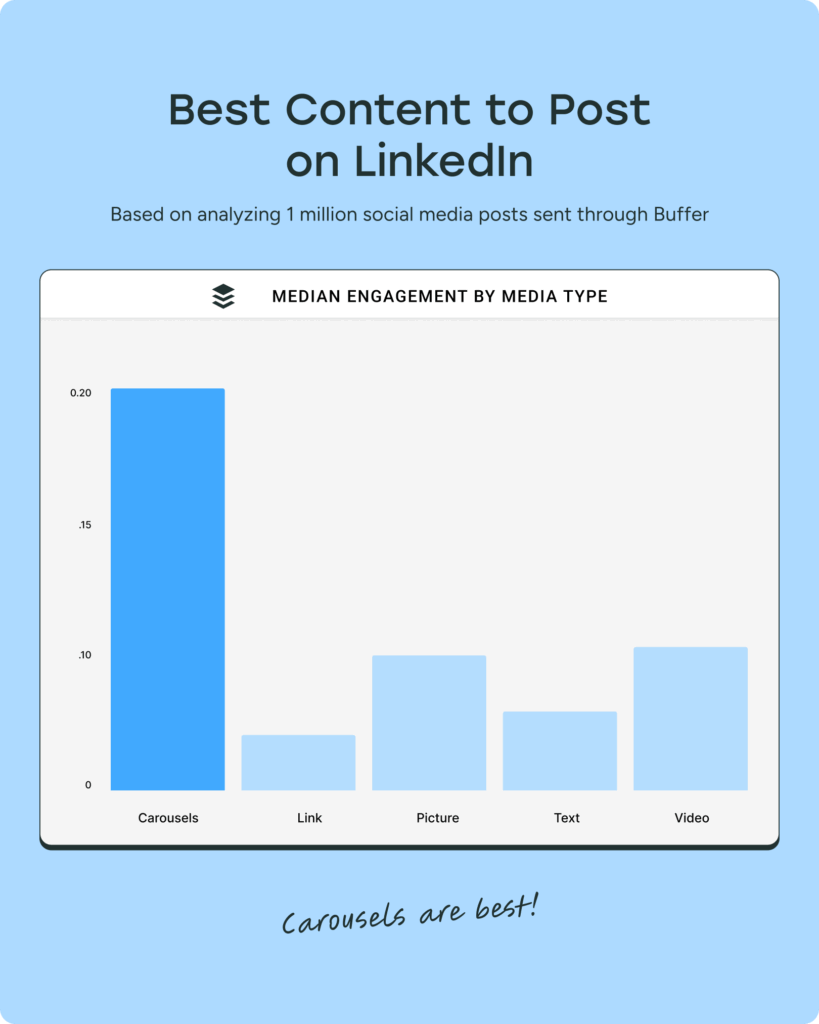
You can see it in the way brands talk about video. You would think every brief now starts and ends there because short-form video still gets treated as the obvious answer to almost everything. Yet the latest Buffer engagement data suggests the picture is less straightforward than that. On LinkedIn, document and carousel posts delivered a median engagement rate of 21.77%, compared with 7.35% for video. On Instagram, Reels generated more reach, but carousels produced stronger engagement (I do hope your eyebrows are raising in surprise at this point!).
Break the feed, not the brand
That does not mean video has suddenly stopped mattering. It means formats are doing different jobs, and too many teams still talk as if one format should do everything.
Soapbox bit for anyone who knows me>>> The bit that gets missed in most format debates is audience fit. Some audiences do genuinely want more video because they are browsing quickly, looking for light touch cues and happy to absorb something in motion. Others respond far better to something pithy, useful and easy to scan, especially if they are in work mode, comparing options or looking for something they can save and return to later.
Video is often brilliant when you need discovery. It helps people find you, especially when the platform is built to reward movement, speed and interruption. But carousels often do something video cannot do as easily. They slow people down. They give you room to explain, layer proof, show thinking and make someone stay for a little longer.
That is why I think brands sometimes get trapped by the format everyone is praising. The loudest format is not always the one carrying the commercial weight.
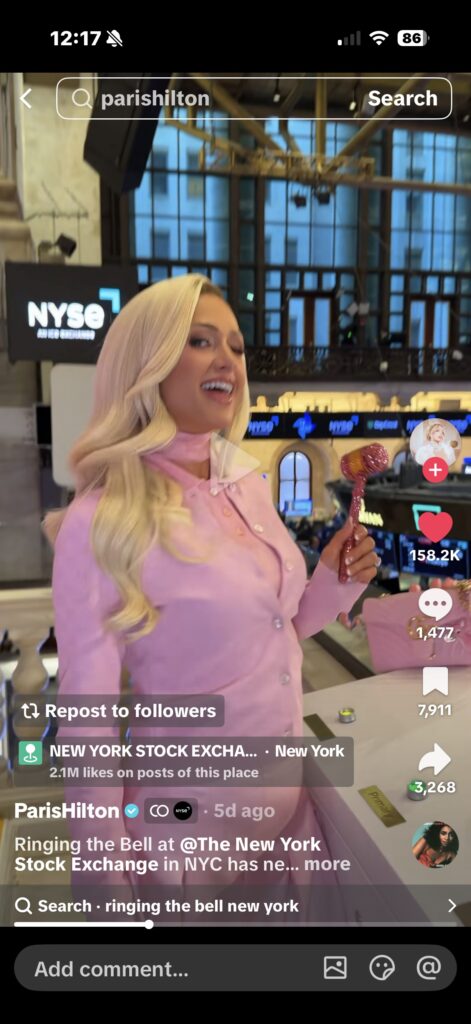
Hilton’s 10-minute TikTok with Paris Hilton is a good example of what happens when a brand resists the obvious rule. On paper, it broke several bits of received wisdom. Too long. Too indulgent. Too unlikely to hold attention. Yet that unusual length became part of why people noticed it.
The quiet strength of the swipe
The same thing is happening with carousels more broadly. They are not glamorous (I know some of us love them). I mean, nobody calls them the future every other week. Yet they keep quietly doing good work.
Part of that is because a carousel asks for a different kind of attention. It invites intent. A swipe suggests there is something worth staying for. On LinkedIn especially, that matters because people are often in scanning mode until something earns a second glance.
And that second glance matters commercially. If someone spends longer with your thinking, they are more likely to remember you, save you, or come back later when the problem you described becomes their problem.
More is not the magic number
The same caution applies to publishing volume. There is still a bloody stubborn assumption that if results soften, the answer is more output. More posts, more edits, more frequency, more activity.
But Sprout’s latest work shows publishing volume fell while engagement rose by nearly 20%. At the same time, senior leaders still largely believe teams need to post more often to increase impact. This drives me crazy
That gap is telling. It suggests audiences are not rewarding quantity in the way many marketers still assume.
A crowded feed has made filler easier to ignore. Originality, usefulness and timing are carrying more weight than simple volume because people are making much faster decisions about what deserves attention.
Borrowed certainty rarely travels well
That is also why generic advice around timing tends to disappoint once it meets a real audience.
Best day to post. Best hour. Best caption length. Best format.
Useful prompts, perhaps. But often little more than borrowed certainty.
Because most of those charts are built from averages, and (listen carefully) averages are not strategy. Buffer says it clearly enough: the best time to post is when your audience is active. Which sounds obvious until you realise how many content calendars still get approved because a benchmark chart looked reassuring.
The trouble is that your audience may not behave like the benchmark at all. Different sectors, different buying habits, different working patterns, different reasons for using the platform. All of that shifts what good timing actually means.
Which is why social should always feel more bespoke than borrowed. Some audiences want explanation. Some want brevity. Some will sit happily with a longer video if the subject earns it. Others want the sharpest possible thought in one line and move on. The platform matters, but the audience matters more.
The anomaly usually knows first
This is why I trust odd signals or at least want to trial them.
GWI’s latest insight is useful here because it reminds us that the strongest opportunities often sit in the behaviour that does not quite match the accepted story. Mainstream thinking drifts very quickly toward the obvious answer, which is exactly why the unexpected signal is often worth a second look.
And social behaviour is full of contradictions. GWI’s numbers are a good reminder of that. A third of TikTok users say they use it more than once a day, yet only 9.5% describe themselves as daily users, which suggests intensity is often underreported. Just 9.3% say they have taken part in a TikTok trend, even though usage is heavy, which tells you a lot of engagement is passive, observational and far less performative than marketers assume.
Oh yeah, and Instagram has its own version of that contradiction. Sixteen per cent call it their favourite platform, but only 11% say they use it daily, which hints at strong affection without the same level of everyday habit. And 31% use Instagram to keep up with news and global events, which tells you platform roles have moved on from the neat labels marketers still like to use.
The bleedin’ obvious rules rarely survive contact with actual behaviour. The anomaly often tells you more than the average because it shows where habit is shifting before the benchmark catches up.
A little less copying, a little more noticing
Benchmarks should prompt better questions, not close them down. Because sometimes the format doing the real work is not the one getting lauded in the meeting. And sometimes the most useful thing in your reporting is the number that does not fit the pattern.
The brands that keep improving are usually the ones willing to accept that there is no universal content answer. There is only a better reading of what this audience, in this moment, is actually responding to.
If this has made you look at your content plan a bit sideways, that is probably useful.
Because the fix is rarely “do more of what everyone else is doing, just faster”. It is usually a clearer read of your own audience, sharper decisions about format, and a bit more confidence to stop copying rules that no longer fit.
That is the work we do with brands every day. We help teams work out what their audience actually responds to, what each platform should be doing commercially, and where the content plan is following habit rather than evidence.
If you want a second opinion on your current mix, drop me a note. We can look at what is really driving attention, saves, engagement and commercial impact, and where a few smarter shifts could make social work harder for the business.
Links
https://buffer.com/resources/state-of-social-media-engagement-2026/
https://buffer.com/resources/social-media-benchmarks/
https://www.marketingweek.com/attentions-the-problem-creativitys-the-answer-as-ever/
https://www.gwi.com/reports/connecting-the-dots-2026
https://media.sproutsocial.com/uploads/2025/08/Sprout-Social-2025-Impact-of-Social-Media-Report.pdf