


April 30, 2026
There’s this idea floating around that being creative means constantly coming up with something new, something different, something you’ve never touched before. Like if you circle back to the same idea too often, you’re somehow doing it wrong.
But honestly, most good work doesn’t come from chasing novelty. It comes from following the things you can’t quite let go of.
Those little fixations. Ideas, themes, images, and questions that keep popping up in your head aren’t distractions. They’re usually the good stuff. They’re the things your brain keeps returning to because there’s something there worth digging into.
Say you’re always drawn to the same kind of image – empty streets at night, people sitting alone in cafés, that slightly uneasy feeling of being in between places. You might think, “I’ve done this before, I should move on.” But if it keeps coming back, it’s probably not finished with you yet.
Or if you’re writing and you keep circling the same themes – identity, control, belonging, relationships that don’t quite work. That’s not you running out of ideas. That’s you orbiting something you haven’t fully cracked.
You see this everywhere once you start looking for it. Christopher Nolan keeps coming back to time, memory, and perception. Inception, Memento, Interstellar, and even Tenet. Same core questions, different angles, and all are intriguing.
Phoebe Waller-Bridge digs into messy relationships, self-sabotage, and control. Fleabag and Killing Eve both carry that same uncomfortable honesty.
David Lynch spent decades exploring the uncanny side of everyday life, dream logic, and hidden darkness under normality. It’s there in Twin Peaks, Mulholland Drive, and Blue Velvet.
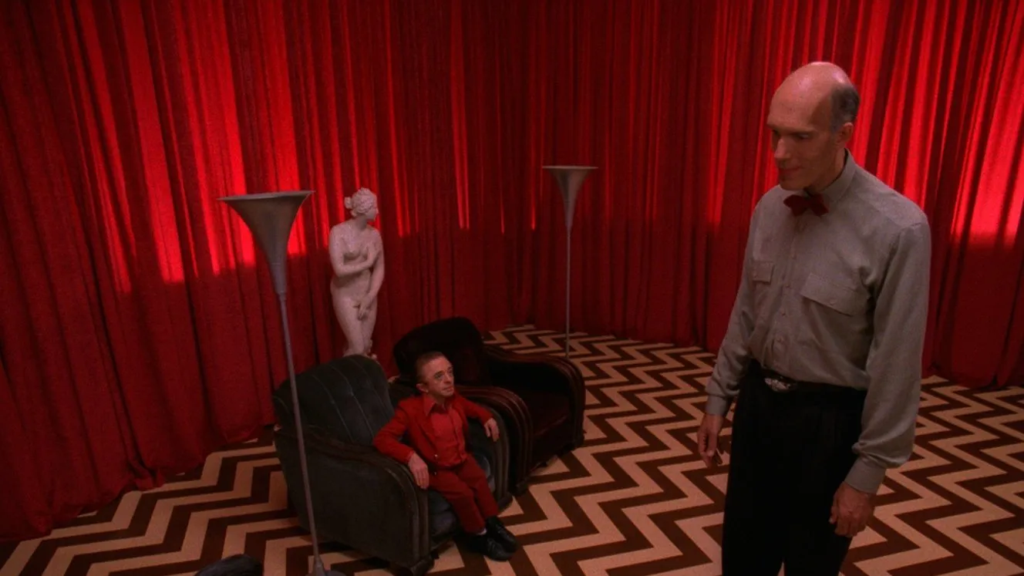
Different stories, same underlying pull.
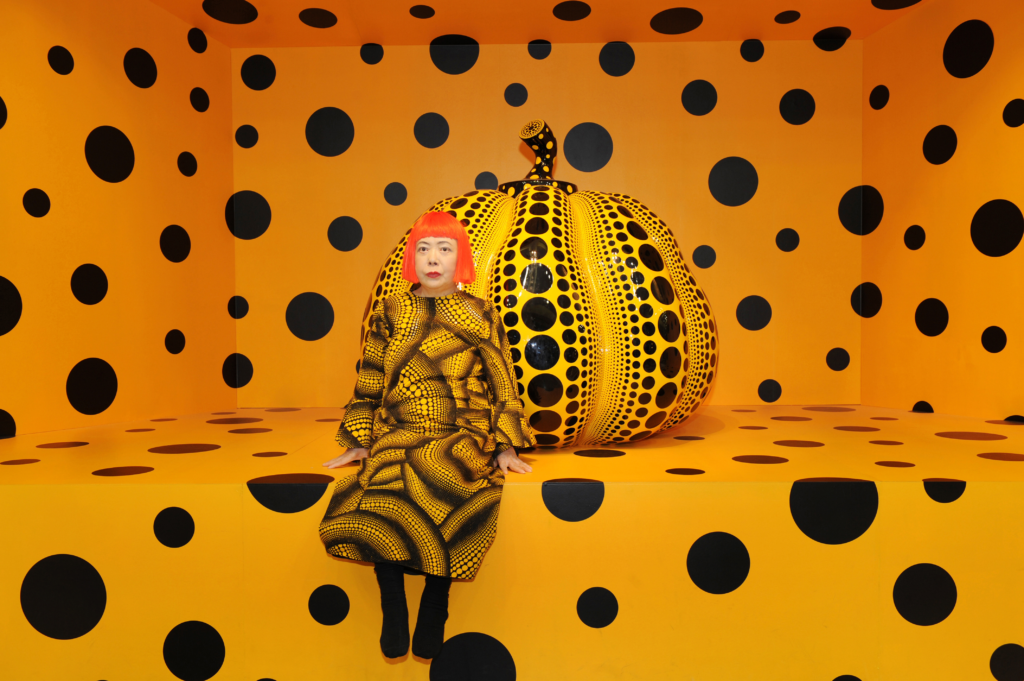
In visual art, you’ve got someone like Yayoi Kusama, who’s been obsessively returning to dots and infinity for decades. On the surface, it might look repetitive, but it’s actually a deep, ongoing exploration of perception, self, and mental space.
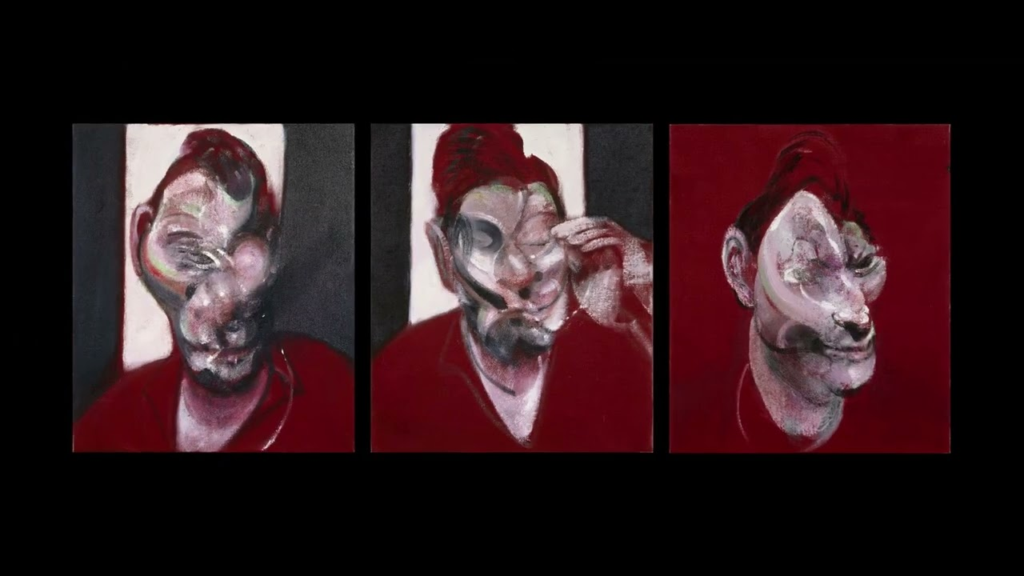
Or take Francis Bacon. Distorted figures, tension in the human body, a kind of psychological discomfort that runs through nearly everything he painted. He didn’t “move on” from it. He delved further into it.
When you actually follow your own fixations instead of brushing them off, the work gets easier in a strange way. You’re not sat there staring at a blank page thinking, “What should I make?” You’ve already got something pulling at you.
And you can feel the difference. Work that comes from that place tends to have more weight to it. It’s more specific and feels more honest. It’s less about trying to be clever and more about trying to get somewhere real.
Over time, it also gives your work a kind of coherence. Instead of loads of disconnected pieces, things start to align. A style forms. A voice. What feels repetitive from your side often reads as intentional and recognisable to everyone else.
There’s a practical side too. When you’re working on something you’re already a bit obsessed with, it’s just easier to keep going. You don’t have to force yourself into it. You’re already halfway there. And you’re excited to get into it.
Of course, not every fixation is worth chasing. Some need distance, or time, or a different angle before they become anything useful. But ignoring them completely, just because they feel too familiar or not “original enough”, usually means cutting yourself off from your strongest material.
A better question than “How do I avoid repeating myself?” is probably: “What am I still trying to understand here?”
Because most of the time, those fixations aren’t dead ends.
They’re just unfinished conversations.
If you have unfinished conversations and need a push in the right direction, then why not give us a shout? We love helping people get to where they need to go!