


March 4, 2026
Pass the sauce
Your next sale is happening in dark social
Yippee! Social is getting social again, and it’s brilliant news for brands that know how to show up with something worth sharing.
You can feel it in the tiny moments. A forward to a mate. A DM that says “this is so you”. The family WhatsApp where someone’s trying to keep everyone fed, safe, and vaguely within budget. Questions that show intent.
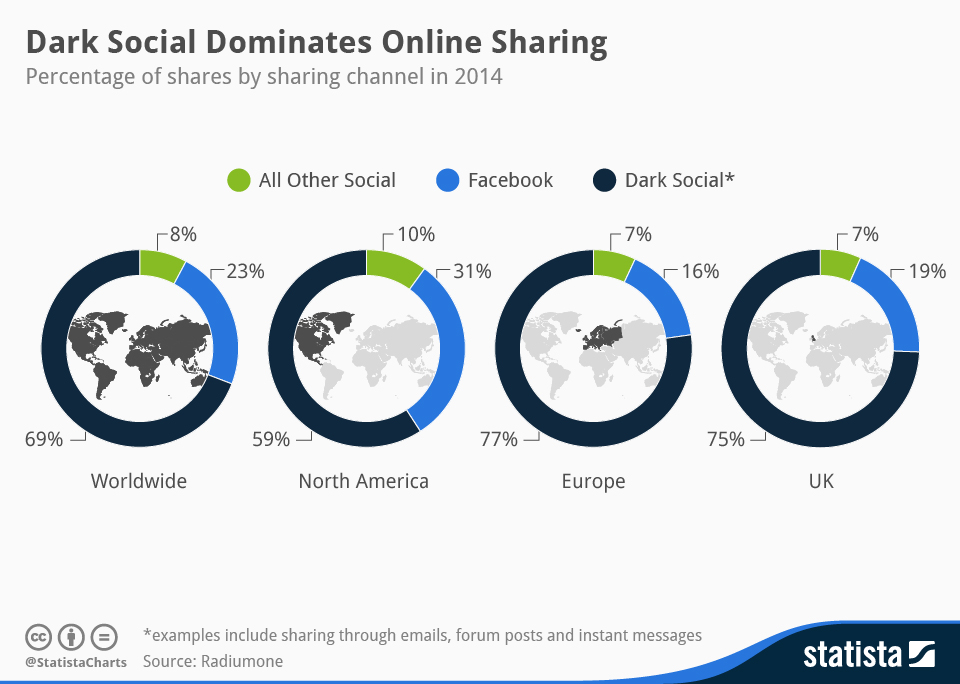
I cannot be clear enough, behaviour has shifted. People still discover in feeds, but they decide in privately in dark social.
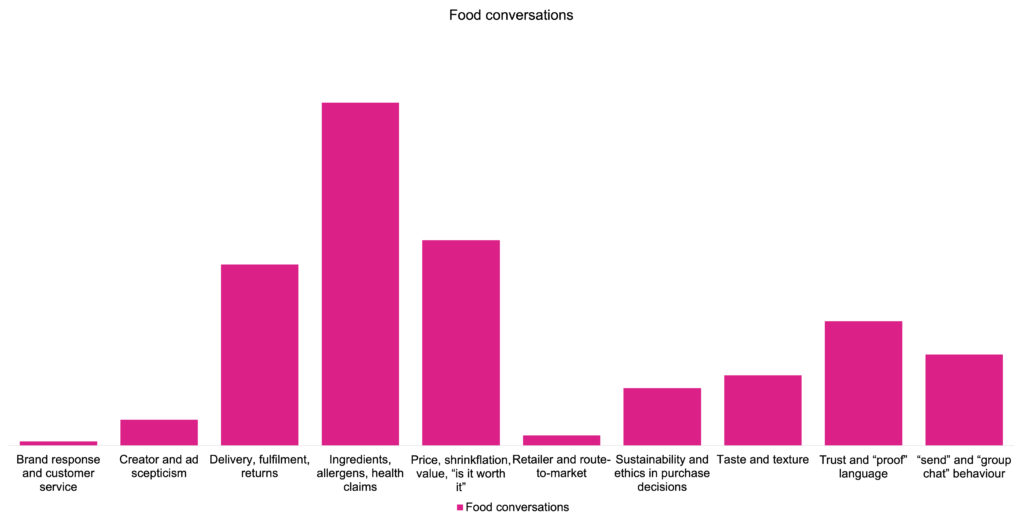
In this week’s newsletter, I took a look at Food conversations (using Brandwatch) on social to identify what gets shared, what gets talked about and how we should be reframing our marketing to deliver the best commercial impact.
The new behaviour pattern
For ages, social rewarded the big public moment. Post it, hope it lands, watch the numbers. You know, the “make it viral” obsession!
Now the more common habit is smaller and more human. People would rather send something useful to one person than perform it to everyone. They want reassurance from someone they trust, in a space that feels personal.
That’s the send economy. It’s dark social. It’s content that travels because it helps someone make up their mind.
The platforms are leaning into it
The platform updates don’t create the behaviour. They confirm it.
TikTok is building shared discovery into messaging with Shared Collections and Shared Feed, which is basically “watch together and decide together” turned into product. Instagram is also pushing friend cues and reposting, because friend-to-friend recommendation is still the strongest signal humans have.
Private sharing is becoming the default filter for what’s worth attention and the platforms are fuelling dark social.
This isn’t niche
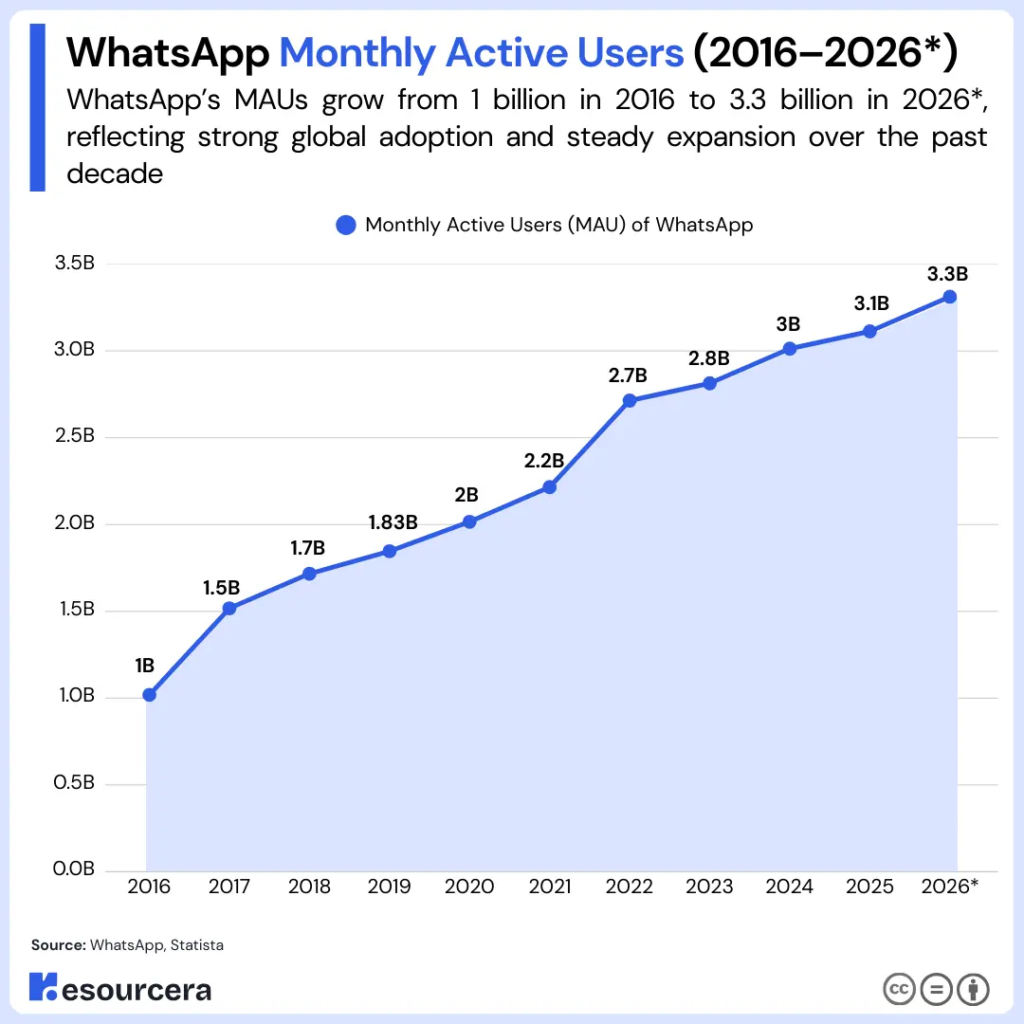
Ofcom’s Online Nation 2025 shows WhatsApp reach at 92% of UK online adult smartphone users, and Ofcom’s write-up also puts WhatsApp at 90% of UK adults. Facebook plus Messenger is even higher at 93%.
So when we talk about decisions happening in messaging, we’re talking about everyday behaviour at scale. It’s scary how dark social is the backbone of social.
And “sends” now shape reach as well as sales
Instagram’s head, Adam Mosseri, has said the top ranking signals include watch time, likes, and sends. Forwarding works two ways. It shows intent, and it helps distribution.
Which is why “sendable” is the new performance advantage.
Food and FMCG chatter make this crystal clear
Food decisions are fast and emotional because they sit right inside everyday life. You’re feeding yourself, your kids, your partner, your mates. You’re doing it between meetings, school runs, and whatever else the day throws at you. And because food goes in our bodies, the risks feel immediate and personal. Allergens. Health claims. Taste. Texture. Cost. Waste. Convenience.
So food is a brilliant lens for what’s happening across consumer categories. The shape of the doubt is the same, even when the product isn’t edible.
The proof is in the conversations
Reddit chatter is a leading indicator because people use it to do the messy bit of decision-making out loud. It’s a way to take a peek at dark social. They ask the questions, compare options, admit worries, and share what actually happened after they bought. It’s more like a live focus group.
So I pulled the data from Brandwatch for the last 90 days.
For food brands, that’s gold. It shows you the real friction points that stop someone buying, and the exact language they use when they’re trying to feel safe. When you build social around those behaviours, you make content that gets forwarded, you make service feel quicker and calmer, and you make claims that stand up when someone screenshots them and drops them into a group chat.
Ingredients, allergens, health claims dominates. 502,931 mentions and 30.5% share. It really isn’t about diet trends. It’s people trying to avoid getting it wrong.
Customer service barely shows publicly. This is why brands get caught out. The most commercially important friction often doesn’t show up as a big public pile-on. It gets handled quietly, shared privately, and shows up later as churn.
The conversation is growing. Total mentions increased 4.3% to 1.35M, and unique authors rose 1.9% . More people, more talk, more deciding.
The emotion mix is the tell. Disgust is high with notable peaks, which points to hygiene, quality, and fear of getting it wrong. Joy is up 5.46% because food is still comfort and connection. That combination is why reassurance content gets forwarded.
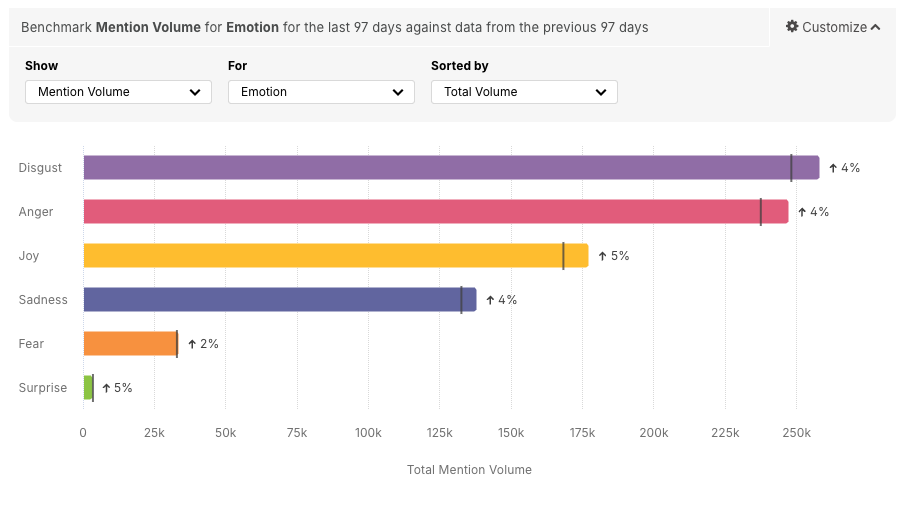
Delivery is another pressure point. Cold food, wrong substitutions, inconsistent quality. The bigger truth is simple. Delivery is now part of brand truth. When it fails, the story travels.
What consumer brands should do differently
A better way to approach this, is to make different content, built for forwarding. Simple eh?
- Build proof objects
Proof objects are small, specific assets that survive being shared with no context.
In food and FMCG they’re wonderfully predictable.
Ingredients and allergen clarity written like a human. Health claims explained in plain English. Taste and texture summaries. Value explanations that don’t feel like spin. Waste reduction tips. Delivery expectations and what you do when it goes wrong.
If ingredients, allergens, and health claims dominate the conversation, the details deserve to be easy to find and easy to screenshot.
- Treat DMs like the decision line
DMs sit right where doubt shows up. That’s where the buyer asks the questions.
This needs an operating system. Shared scripts that sound human, clear escalation, and a feedback loop into product and packaging.
- Make customer care part of creative
If delivery is a pain point, bake reassurance into creative. If substitutions are a problem, show how you handle it. If allergens are the biggest driver, make that information clear and easy to share.
- Use paid to scale what people already want to share
Paid works best when the proof is strong and the reassurance is clear.
- Measure usefulness, not just activity
Clicks are one part of the story. Saves and sends are also valuable signals because they reflect usefulness.
Track sends per reach, saves per reach, and the questions that repeat in comments and DMs. Then connect it to outcomes the business recognises, like fewer complaints, fewer returns, and higher repeat purchase.
If you were to remember one thing…
If your content can’t survive a group chat, it won’t survive a purchase decision.
And this is exactly why we bang on about making social work. Not making more posts. Making the right proof, in the right places, with the right operating rhythm behind it.
If you’d like the full research cut, including the category breakdowns and the language patterns we pulled from Brandwatch and Reddit, drop us a line. We’re happy to share it, and talk through what it means for your brand.
Sources
https://newsroom.tiktok.com/new-ways-for-friends-and-families-to-discover-share-and-connect-on-tiktok?lang=en
https://techcrunch.com/2025/12/08/tiktok-adds-a-space-for-organizing-content-with-others-teases-shared-feeds/
https://about.fb.com/news/2025/08/new-instagram-features-help-you-connect/
https://www.theverge.com/news/719756/instagram-adds-reposts-feed-rips-off-snap-maps
https://www.ofcom.org.uk/siteassets/resources/documents/research-and-data/online-research/online-nation/2025/online-nations-report-2025.pdf?v=409837
https://www.ofcom.org.uk/media-use-and-attitudes/online-habits/from-apps-to-ai-search-how-the-uk-goes-online-in-2025
https://blog.hootsuite.com/social-media-algorithm/
https://www.gwi.com/blog/social-media-statistics
FAQs For food in dark social
Table of Contents
What does “people discover in feeds but decide in private” actually mean?
People see your content publicly, then they sanity-check it privately with someone they trust.
That private step is where doubts get aired and confidence gets built. For food and FMCG, the questions are usually practical and personal: ingredients, allergens, health claims, taste, price, delivery, and whether it will work in real life. Your job is to make the content that survives that private conversation.
What is dark social in 2026, and why does it matter for food brands?
Dark social is sharing that happens in private messages, where tracking is limited but influence is huge.
In the UK, messaging is everyday behaviour at scale, which means private sharing shapes what gets bought. For food brands, it’s where people swap recommendations, screenshots of labels, and “is this safe for me?” checks. You can’t optimise for it with reach alone. You win by making reassurance easy to share.
What is a “proof object” in social marketing?
A proof object is a small piece of content that earns trust fast and still makes sense when forwarded.
Think of it as a receipt someone can drop into a chat. Clear allergen info, a plain-English claim explanation, a taste/texture reality check, a delivery expectation, a “here’s what happens if something goes wrong” line. Proof objects reduce regret, which increases sharing.
What makes content “sendable”?
It helps someone decide, quickly, without needing extra context.
Sendable content is specific, easy to screenshot, and answers the awkward questions. It reads like it was made for a real person, not a campaign deck. If the viewer can forward it with “this explains it” you’re there.
Why are sends and saves more useful than likes for food and FMCG?
Because they signal usefulness, not just approval.
What information do buyers want most from food brands on social?
The practical truth that helps them feel safe.
Ingredients, allergens, and health claims dominate the conversation. That’s a strong clue that people want clarity they can trust, not glossy promises. When you present that info clearly, it travels.
Why are ingredients, allergens and health claims such a big conversation driver?
Because food is personal, and the risk feels immediate.
People aren’t just choosing a flavour. They’re managing bodies, kids, routines, restrictions, budgets, and energy. Ingredients and claims are where trust gets tested. Your Brandwatch numbers back that up, with this category taking the biggest share of mentions.
How should food brands talk about health claims without sounding dodgy?
Be plain, specific, and calm.
Explain what the claim means in real life, and avoid over-promising. Put the key context in the creative, not buried in a footnote. When people understand the claim, they can repeat it confidently. That’s how it spreads.
Why use Reddit as a leading indicator for consumer brand behaviour?
Because people do the messy decision-making out loud there.
Reddit is less performative and more practical. People ask direct questions, share what actually happened after buying, and compare alternatives in real language. That helps you spot friction points early, before they show up as a bigger brand problem.
What should food brands learn from Reddit food conversations?
What people are worried about, and the exact words they use when they’re trying to feel safe
That language is your creative brief. It helps you write captions and build assets that match real decision moments, not marketing assumptions. If you build around those behaviours, you make content that earns forwards.
How should paid social support the send economy?
Use paid to scale content people already want to share.
Paid works best as an amplifier for proof. If the content reduces regret, paid gives it a bigger chance to reach the right people. If the content avoids the awkward questions, paid can still buy attention, but it rarely changes the decision.
How does TikTok shared discovery change social strategy?
It increases the value of content made for sharing between friends.
When TikTok builds shared behaviours into DMs, it’s encouraging co-viewing and co-deciding. That favours content that explains, reassures, or entertains in a way people want to send to someone else. Brands should focus on clarity and proof, not just polish.
How does Instagram reposting change social strategy for consumer brands?
It makes recommendation behaviour more visible again.
Reposting and friend cues strengthen the role of peer signals. That means content that people are happy to put their name against has more value. Proof objects help here, because they make the share feel helpful rather than salesy.